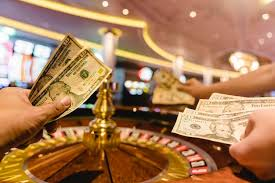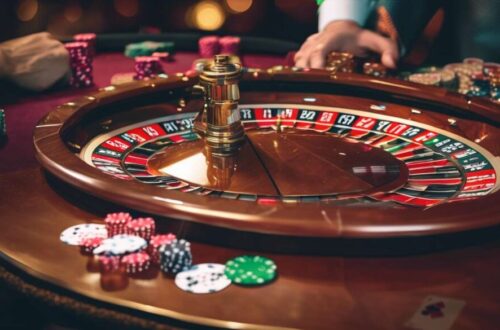
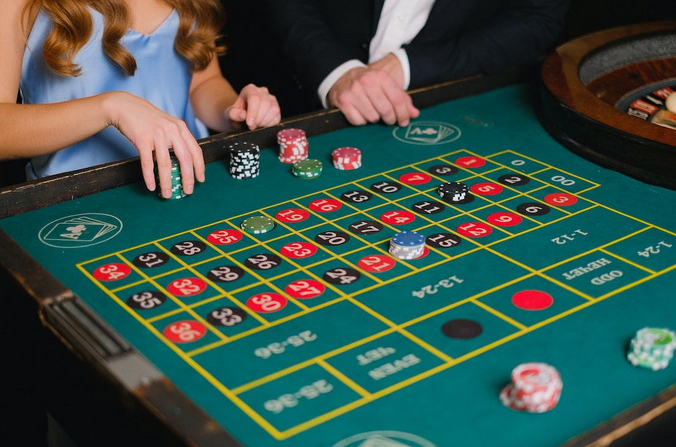
Many gambling decisions begin with a simple thought. A player loses a bet and wants to recover the money as quickly as possible. At first, the solution seems obvious. Place another bet and try again.
For many people, that second bet feels harmless. Losing once does not seem like a big problem. The hope is that a win will arrive soon and everything will return to normal.
The challenge begins when the losses continue. One lost bet becomes two. Two become four. Before long, a player may be making far more bets than originally planned. What started as a small setback slowly grows into a larger problem.
This pattern is common in gambling and helps explain why chasing losses can become so costly. To understand why it happens, it is important to look at both human behavior and the mathematics behind betting.
Why Losing Creates Pressure
Most people do not enjoy losing money. Even small losses can create feelings of disappointment, frustration, or urgency. These emotions often push people toward quick decisions.
When a player loses a bet, the mind naturally focuses on getting back to where it started. Instead of accepting the loss, many people begin looking for ways to erase it immediately. This can make the next wager feel more important than it really is.
The problem is that gambling outcomes remain uncertain. A player may feel confident about the next bet, but confidence does not change the odds. Each new wager still carries the possibility of another loss.
As losses accumulate, emotions often become stronger. The desire to recover money can start to influence decisions more than logic or planning.
The Illusion of Being “Due” for a Win
One reason people continue betting after losses is a belief that a win must be coming soon. This idea appears in many forms. A player may think a slot machine is ready to pay out or that a losing streak cannot continue much longer.
In reality, most casino games do not work that way. Previous outcomes usually do not affect future outcomes. A roulette wheel does not remember the last number. A slot machine does not know how many losses came before.
Each result is generally independent of what happened earlier. Even after several losses in a row, the next outcome remains uncertain.
This misunderstanding can encourage players to place more bets than they originally intended.
When Bets Begin to Multiply
A common response to losing is increasing the number of wagers. Some players place additional bets because they want more chances to win. Others raise their bet size because they hope to recover losses faster.
At first, the increase may seem small. A player who planned to make one bet may suddenly make two or three. If those bets also lose, the process can continue.
Over time, one loss may lead to a chain reaction. Instead of ending after a single wager, the session expands into many more bets. The amount of money at risk grows with each decision.
This is one reason gambling budgets can disappear faster than expected. The original loss may be relatively small, but the response to that loss creates additional exposure.
The Martingale Example
One famous betting approach demonstrates this pattern clearly. In the Martingale system, a player doubles the size of each bet after a loss. The idea is that one future win will recover all previous losses.
The system appears simple when viewed on paper. However, the numbers grow quickly. A small starting bet can become a very large wager after only a few consecutive losses.
For example, a player who starts with a ten-dollar bet would need to wager twenty dollars after the first loss, forty after the second, and eighty after the third. After several losses, the required bet size becomes surprisingly large.
This example shows how one loss can eventually lead to many bets and much greater financial risk.
The Mathematics Behind the Problem
The biggest issue with chasing losses is that additional bets do not change the odds of the game. Casino games are built around probability, and those probabilities remain the same regardless of previous results.
A player may believe that making more wagers increases the chance of recovering losses. While it increases the number of opportunities to win, it also increases the number of opportunities to lose.
Over the long run, the house edge continues to operate exactly as designed. The more bets a player makes, the more the underlying mathematics can influence results.
This does not mean every player will lose every session. It simply means that increasing betting activity does not remove the casino’s advantage.
Building Better Habits
Many experienced players focus on limits before they begin gambling. They decide how much money they are willing to spend and how long they plan to play.
These limits help reduce emotional decision-making. When losses occur, there is already a plan in place. Instead of reacting to disappointment, the player follows the original budget.
Some people also take breaks after losses. Stepping away for a short time can help reduce frustration and allow for clearer thinking. Small pauses often prevent quick decisions that may lead to additional risk.
The goal is not to avoid all losses. Losses are a normal part of gambling. The goal is to prevent one loss from creating a chain of decisions that becomes difficult to control.
Conclusion
One gambling loss may seem small, but the reaction to that loss can sometimes create a much larger problem. The desire to recover money quickly often leads players to place additional bets, increase wager sizes, or continue playing longer than planned.
This pattern is driven by both emotion and misunderstanding. Many people believe a win is close or that more betting will solve the problem. In reality, the mathematics of the game remain unchanged.
Understanding how losses can trigger more betting helps players make better decisions. The most important skill is not recovering every loss. It is knowing when a loss should simply remain a loss and not become eight more bets.