When people walk into a place full of games, everything looks exciting. Lights shine softly. Sounds move through the air. Tables and machines invite you to try your luck.
In that moment, many players do something very simple.
They pick a game without thinking too much.
Sometimes they choose the one that looks fun. Sometimes they follow a friend. Sometimes they sit at the first empty seat they see.
But there is a quiet skill that can make a big difference.
Learning how to compare two games before choosing one.
This skill does not remove luck. Games will always have surprise and chance. But it helps you make a smarter start. It helps you choose a path that fits your style, your money, and your comfort.
Think of it like choosing between two roads. Both roads may reach a destination. But one may be smoother, calmer, and easier to walk.
Let us learn how to see that difference.
Look at the Risk and Reward Balance
Every game carries a balance between risk and reward. Some games give small wins often. Other games give large wins, but only once in a while.
To understand this, imagine two simple games.
In the first game, you win small amounts again and again. The wins are not big, but they come often. You feel steady. You stay in the game for a longer time.
In the second game, wins are rare. You may lose many rounds. But when a win comes, it is large and exciting.
Now ask yourself a simple question.
Which one feels better to you?
There is no single correct answer. It depends on your comfort.
Some players enjoy a smooth ride. They like seeing small wins that keep their mood calm. Others enjoy taking bigger risks for a chance at a larger reward.
When you compare two games, always look at this balance.
A game with frequent small wins may help your budget last longer. A game with rare big wins may create strong excitement, but it may also use your money faster.
Think of it like fishing.
One place may give you small fish again and again. Another place may give you one big fish after a long wait.
Both are valid experiences. The choice depends on what kind of day you want.
Understand How Fast Money Moves
Now let us talk about something very important that many players ignore.
The speed of the game.
Some games move quickly. Rounds happen fast. You place bets again and again without much pause.
Other games move slowly. There is time to think. There is space between rounds.
When you compare two games, always notice this difference.
Imagine two players with the same budget.
The first player chooses a fast game. Bets happen quickly. In a short time, many rounds are played. Money moves in and out very fast.
The second player chooses a slower game. Each round takes more time. Decisions are calmer. The budget lasts longer because fewer bets are placed in the same amount of time.
Even if both games have similar odds, the speed can change the experience completely.
Fast games feel exciting, but they can drain your money quickly. Slow games feel calm, and they often give you more time to enjoy.
Think of it like spending money in a store.
If you walk quickly and pick many items, your wallet becomes empty fast. If you walk slowly and choose carefully, your money stays with you longer.
So when you compare two games, do not only look at the payouts.
Also look at how fast the game moves.
Choose the Game That Matches You
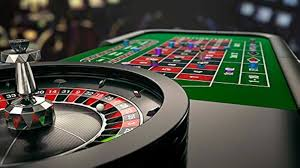
Now we come to the most gentle and important part.
Choosing a game is not only about numbers. It is about you.
Your comfort. Your patience. Your goals.
When you compare two games, ask yourself a few simple questions.
Do I want a calm experience or a fast one
Do I want small steady wins or a chance at a big moment
Do I want to play for a long time or take quick chances
Your answers will guide you.
For example, a new player may feel better in a simple and slower game. It gives them time to understand what is happening. It keeps the pressure low.
An experienced player may enjoy a faster game with more risk. They may feel comfortable handling quick decisions.
There is also the emotional side.
Some games can feel stressful if losses come quickly. Other games feel relaxing because the pace is gentle.
Choosing the right game helps you stay in control of your emotions. It keeps the experience enjoyable.
Imagine a grandmother giving advice in a soft voice.
She would not tell you to chase the biggest win. She would tell you to choose what feels right for your heart and mind.
That kind of wisdom may sound simple, but it is very powerful.
When players match the game to their own style, they often make better decisions. They stay calm. They enjoy the process.
And that is what truly matters.
In the end, comparing two games is not about finding a perfect answer. It is about understanding the small differences.
One game may move faster. Another may move slower. One may offer steady moments. Another may offer rare excitement.
When you learn to see these differences, you begin to play with more awareness.
You are no longer just following the lights or the noise.
You are making a thoughtful choice.
And like choosing the right path on a long walk, that choice can shape the whole journey in a better way.