Walking up to a live casino table for the first time can feel intimidating. Players appear to know when to act, chips move across the layout, and the dealer follows a sequence that may not be obvious to a newcomer. Fortunately, table etiquette is mostly about paying attention, respecting other players, and allowing the game to proceed in an orderly way.
The precise procedures differ between games and venues, but a few general principles can help newcomers feel more comfortable.
Observe Before Joining a Game
Before taking a seat, spend a few minutes watching the table. Notice the minimum and maximum stakes, how players place their wagers, and whether the game is accepting new participants.
This is particularly useful because a table that looks straightforward from a distance may have rules that are unfamiliar to a first-time visitor. Blackjack, roulette, baccarat, and poker do not follow the same procedures. Observing a round can help reveal the rhythm of the game without requiring immediate decisions.
If anything remains unclear, ask the dealer whether they can explain the basic procedure before you join. Staff may be able to clarify rules, although they cannot necessarily provide personalised strategy advice or interrupt a round to answer lengthy questions.
Learn When and How to Place Bets
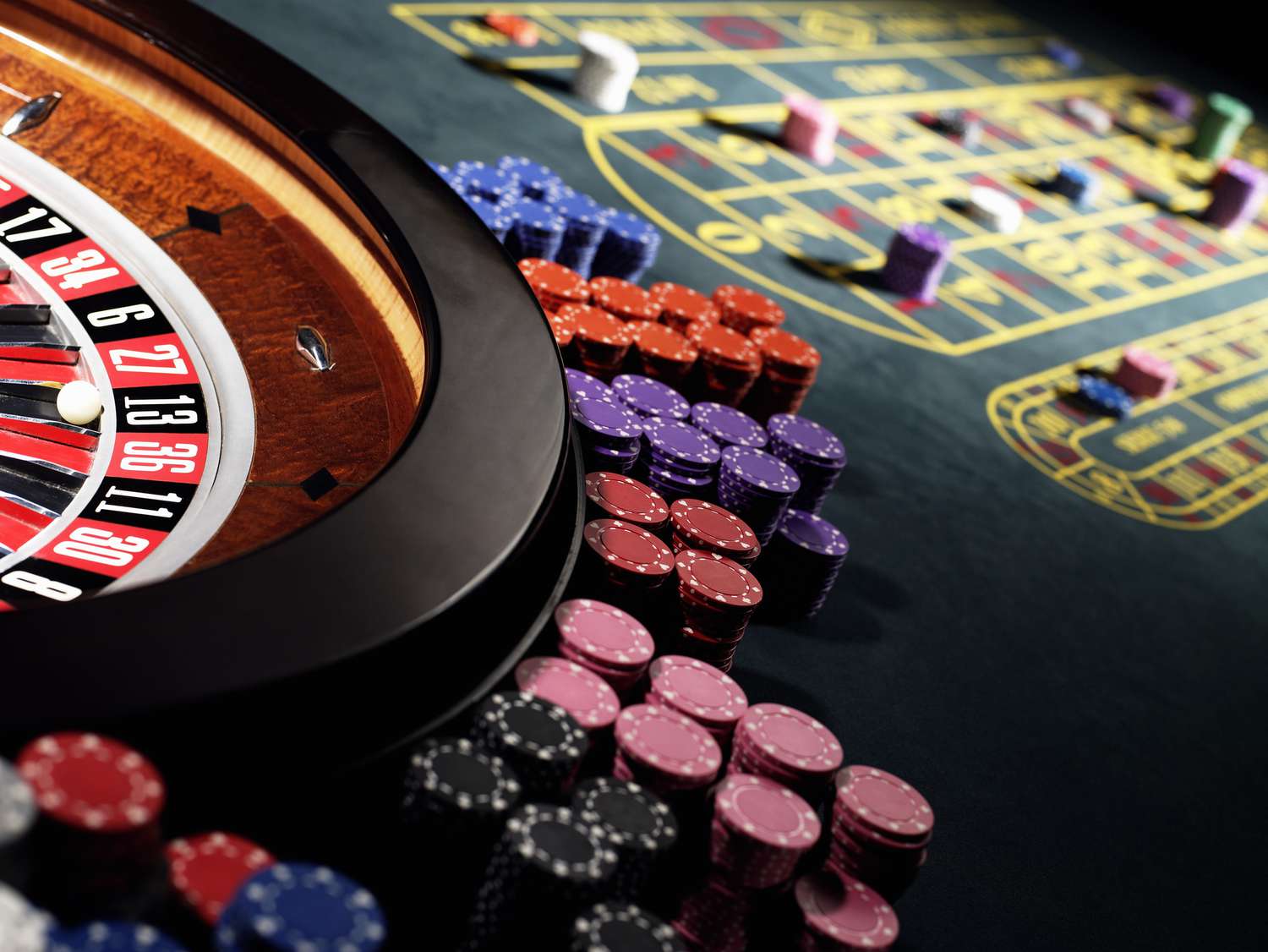
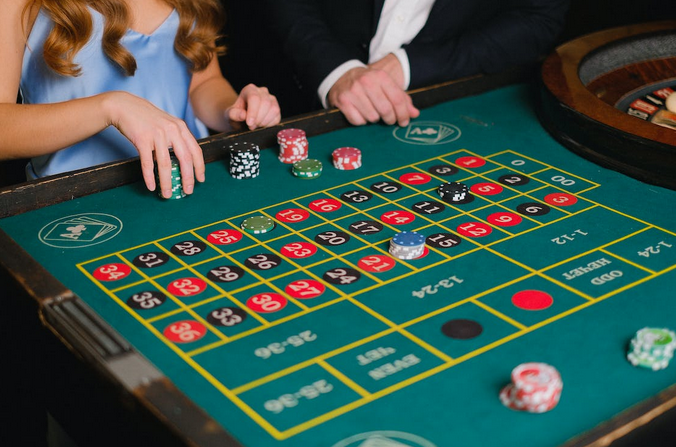
Each table game has its own betting procedure. In roulette, for example, players place chips on designated areas of the layout. In blackjack, wagers are placed before cards are dealt, and subsequent decisions follow the rules of the game. Poker involves a different sequence of betting actions and player decisions. Go here!
Wait until you understand the appropriate moment to act. Avoid reaching across another player or placing chips in an area that is not intended for your wager. If a dealer announces that betting has closed, do not try to add or change a bet after the permitted point.
Physical handling rules matter as well. Some venues restrict when players may touch chips, cards, or other game equipment. These requirements are not simply matters of politeness; they help protect the integrity of the game and prevent disputes over what happened during a round.
When uncertain, pause and ask the dealer for clarification before making a move.
Keep the Table Comfortable for Everyone
Basic courtesy makes a difference in a busy gaming area. Avoid crowding other players, blocking their view, or handling their chips without permission. Keep conversations at a reasonable volume, particularly when a game requires concentration.
Mobile phone policies vary, but using a phone to distract players, photograph restricted areas, or record a game without permission can create problems. Check the venue’s rules before taking pictures or making calls at the table.
It is also sensible to avoid giving unsolicited advice. A player may be following a strategy, learning the game, or simply making a personal decision. Comments about another person’s choices can make an otherwise relaxed setting uncomfortable.
The dealer should be treated with the same courtesy. If there is a disagreement about a wager or the result of a round, explain the concern calmly and ask for the appropriate procedure for resolving it.
Understand Chips, Tips, and House Rules
Casino chips are generally used according to the rules of the venue and the particular game. Their colours, values, and handling procedures may differ, so players should not assume that chips from one establishment work the same way elsewhere.
Tipping practices also vary by country and venue. In some places, tipping a dealer is customary; in others, it may be restricted or handled through specific procedures. Check local expectations rather than feeling obliged to follow what another player does.
Published rules take priority over informal habits. The UK Gambling Commission, for example, explains that licensed casino premises must make rules for the games they offer available to customers. Other jurisdictions have their own regulatory frameworks, so visitors should consult the applicable local requirements.
Set Personal Limits Before Play Begins
Good table manners include knowing when to step away. Decide on a spending limit before joining a game, and do not increase it simply because a round went badly. A previous loss does not make a win in the next round more likely.
It is equally important to understand the minimum stake. A table may be entertaining to watch but unsuitable for a person’s budget. Choosing not to participate is a perfectly reasonable decision.
Avoid gambling when upset or impaired, and take a break if the experience becomes stressful. Responsible Gambling Council guidance recommends setting spending and time limits, taking breaks, and avoiding attempts to win back losses.
Confidence Comes From Understanding the Rules
No newcomer needs to know every convention before approaching a live table. Watching first, asking concise questions, following the dealer’s instructions, and respecting other players are enough to establish a good starting point.
The goal of table etiquette is not to make casino gaming seem exclusive. It is to help everyone understand what is happening and keep the game orderly. When players know the basic procedures and respect the venue’s rules, the environment becomes easier to navigate, whether they are observing a game or participating for the first time.